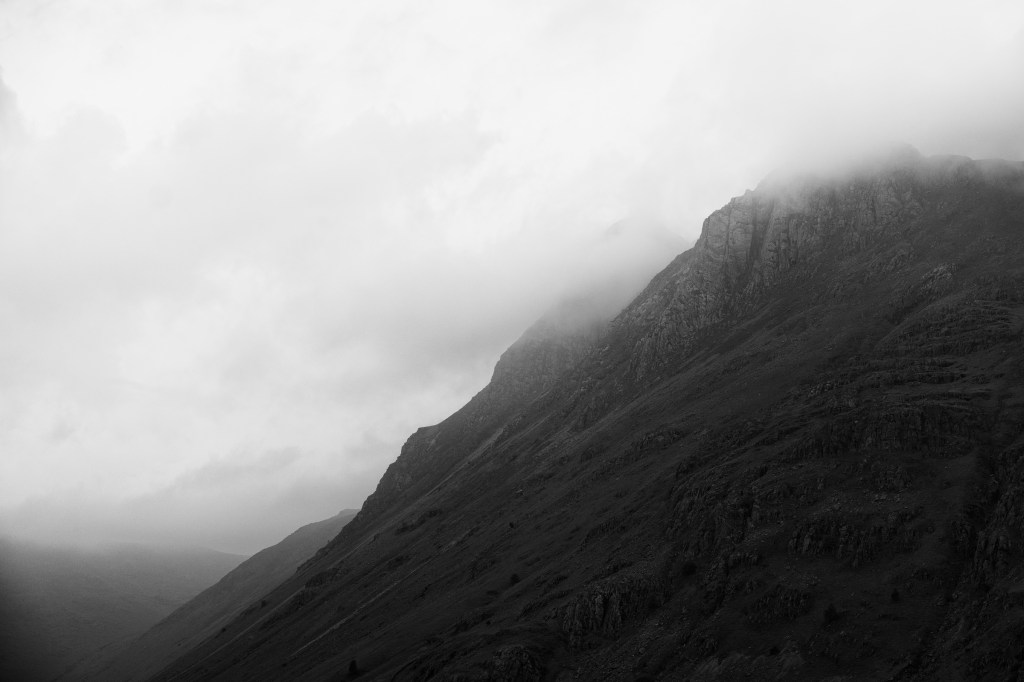
Choosing black and white isn’t just about applying a filter – it’s a creative choice that shapes a photo’s story. Black and white has become my primary language for capturing moments in landscapes or street scenes. While colour serves specific purposes, and I will happily use it when it serves the image, black and white is always my default choice.
So, what draws me to black and white?
It simplifies the image. By removing colour, the focus shifts to form, structure, and the interplay of light and shadow, inviting viewers to connect with the subject’s core in all its subtleties and textures. Black and white excels at capturing fleeting moments, like the wrinkles on a face, the curve of a road, or the ripples on a lake. Its tones bring out details with exceptional clarity.
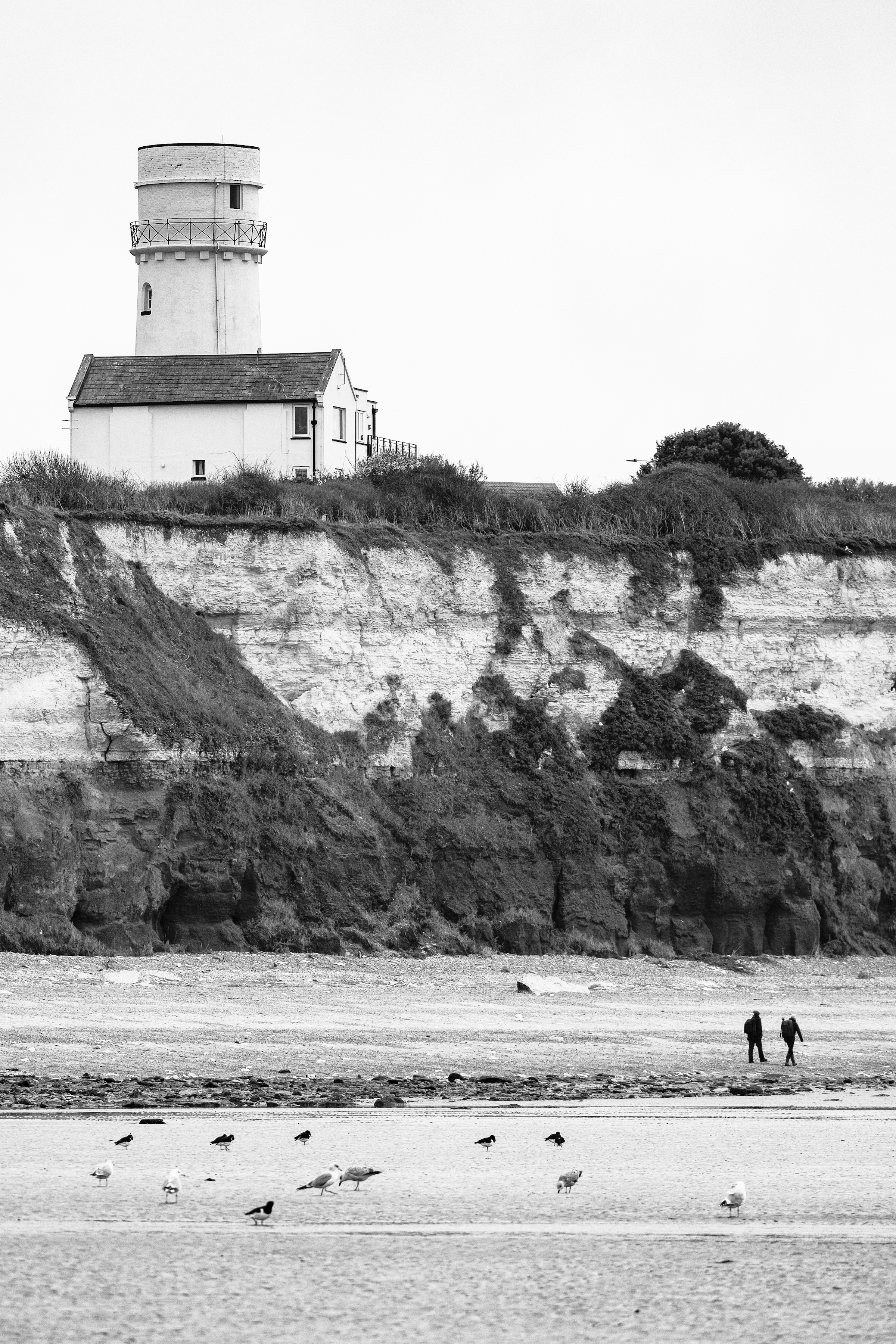
Furthermore, black and white allows for more dramatic manipulation of contrasts, creating striking effects and setting the mood. Shadows become more than just darkness; they add depth and tell a story within the story. This emphasis on contrast helps me highlight key elements, drawing attention to details that might be missed in colour. This is especially true when using Ansel Adam’s Zone System.
Beyond aesthetics, black and white goes deeper. It’s a personal choice that allows me to step back from the daily noise and capture a moment in a simple yet powerful way, and it reflects my desire to look deeper and find meaning in the everyday.
Some consider black and white’s apparent timelessness a benefit, but I can’t entirely agree. While film photography can achieve a timeless feel due to its unique nuances, modern digital simulations often lack that same quality (and I say that as an avid film simulation user).

Additionally, while black and white offers numerous advantages, timelessness isn’t always desirable, especially in street photography, where capturing the present is often the aim of the game; colour can be a valuable tool for dating an image and anchoring it to a specific era. When using black and white in such cases, the other strengths of this monochrome approach hold, like reduced distraction and enhanced contrast; it is at the cost of some information that peels away with the removal of colour.
That said, I can already feel myself being pulled to agree with timelessness in landscape images, a la Ansel Adams.
Ramblings, pure ramblings. But thanks for reading.
 William Austin-Lobley Photography
Leave a comment