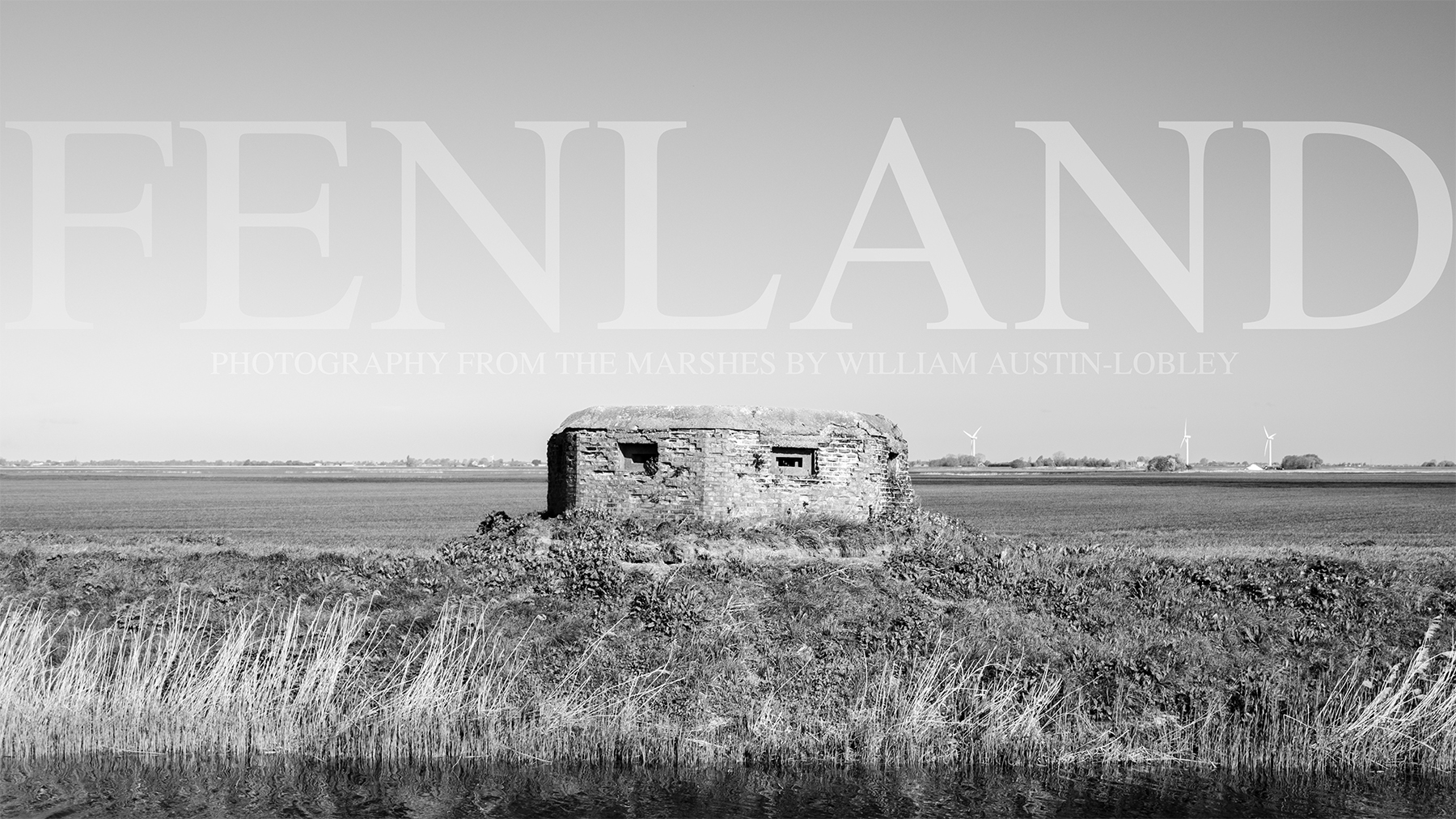
This project did not start from a place of love; it came from a place of necessity.
I was born in Peterborough and for most of my life I have found the flat lands which surround it an uncomfortable place; The Fens, somewhere to overcome on the way to better, more interesting places, a kind of geographical loading screen.
Though my family has generations-deep ties to the area and trips to see relatives are fond memories, I must confess to holding an unflattering view that it’s a backward place, punctuated only by downbeat villages and industrial parks. Yet I have on occasion found myself jumping to the defence of The Fens, betraying that on some level I find it to be a foundational part of myself. As I say, it’s an uncomfortable place, whether a reflection of the place itself or the mind I bring to it.
At some point, this feeling mixed with feeling photographically stifled. This two-pronged feeling of being trapped started to eat away at me. Though it was never in doubt that I would move away, the waiting was doing me no good. I felt frustrated at having nowhere near to explore with my lens. I know that for my state of mind and creativity, I needed to do something.
So I decided that I would embrace my surroundings rather than rally against them. And in this decision, Fenland: Photographs From The Marshes was born.
The Fens, photography and the immense nothing
With Britain having plenty of moors, mountains and coastlines to explore, there aren’t many photographers who give over any of their time to The Fens. I know of only one, Paul Hart, who has dedicated a large part of his career to making photographs of the area. I came upon his work around the start of my project and purchased one of his books, Drained, and also encountered his work in the collection This Pleasant Land: New British Landscape Photography. I was struck by two things.
First is the balance of Hart’s work and his dedication to capturing the area and consistency in capturing a dark unknowableness, in some cases to the extent that some of the photographs put me in mind of folk horror.
The second motivation came from not seeing my experience of The Fens represented in the work. While I admire Hart’s work, I was encouraged to take the time to express and reflect on my views of the landscape. To me, The Fens are not a dark place, but one of exceeding and overpowering light.
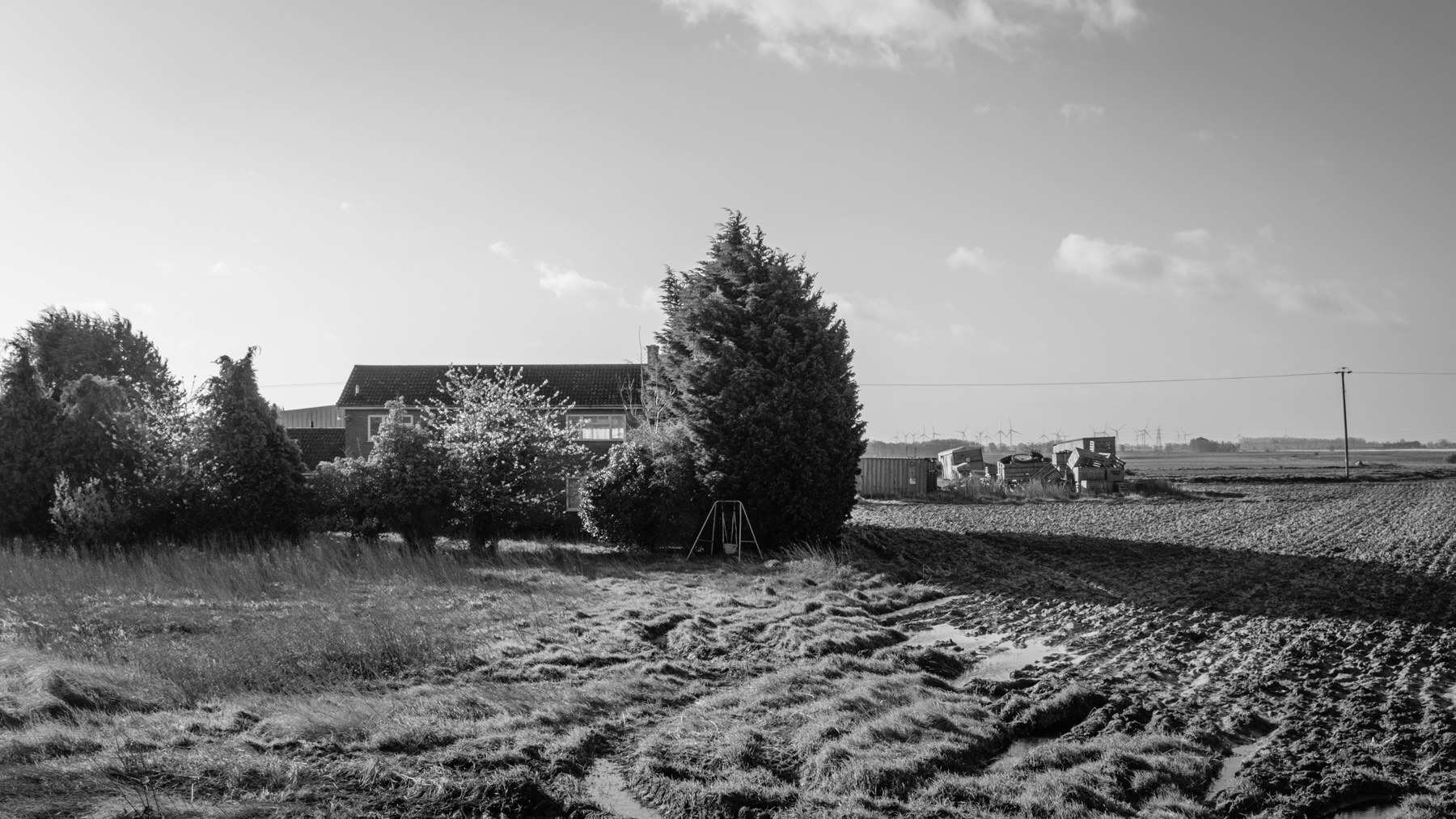
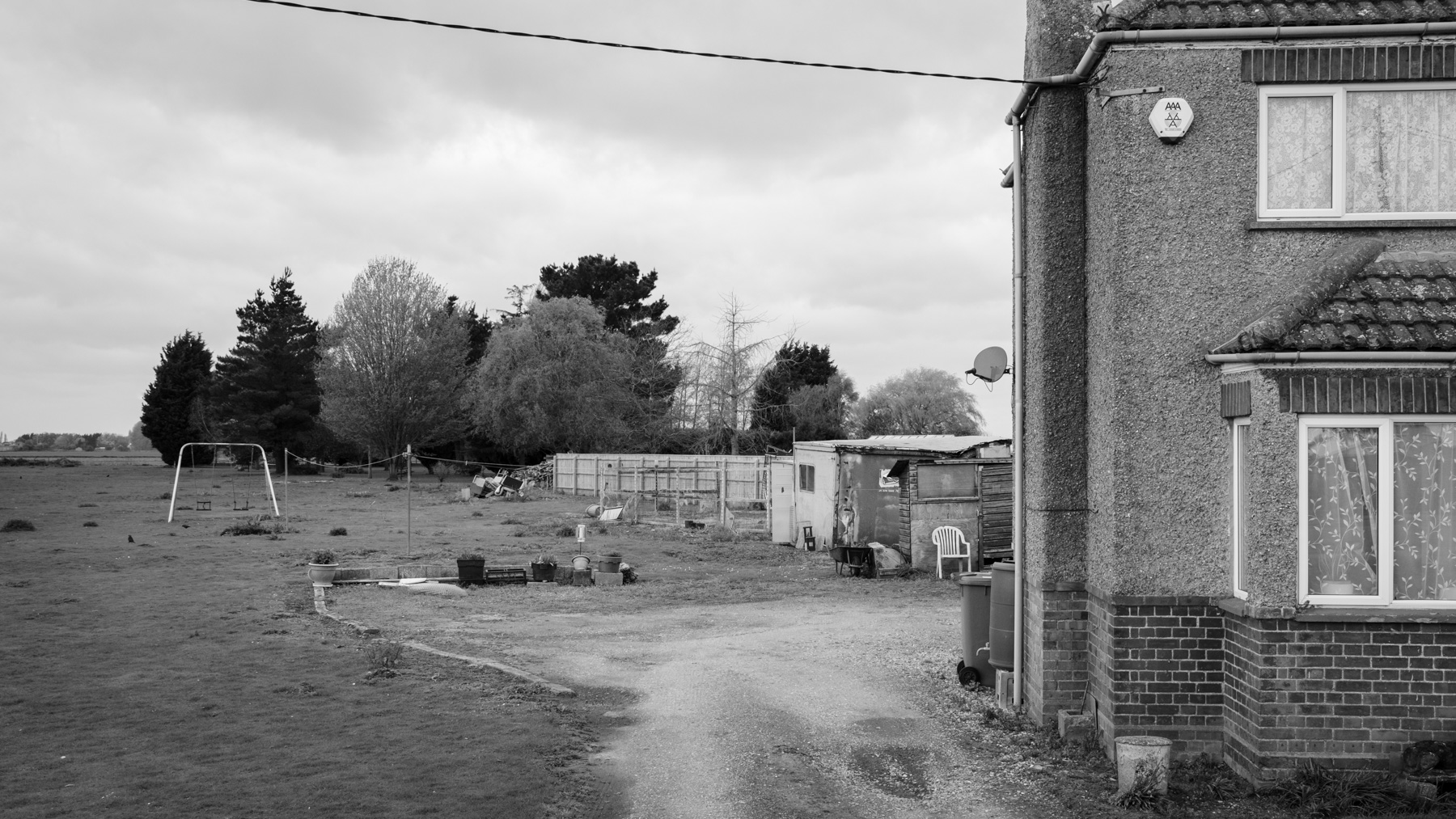
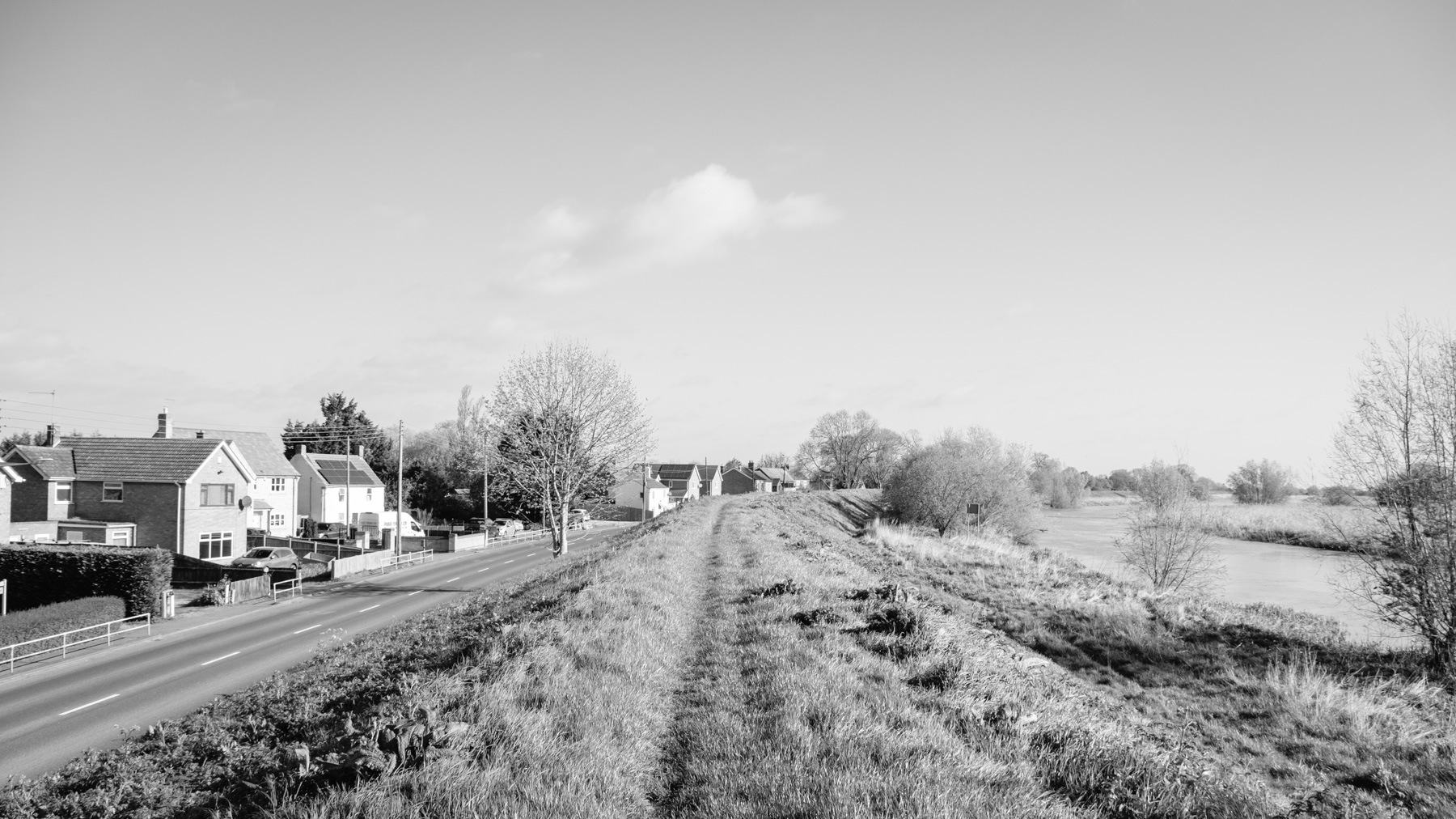
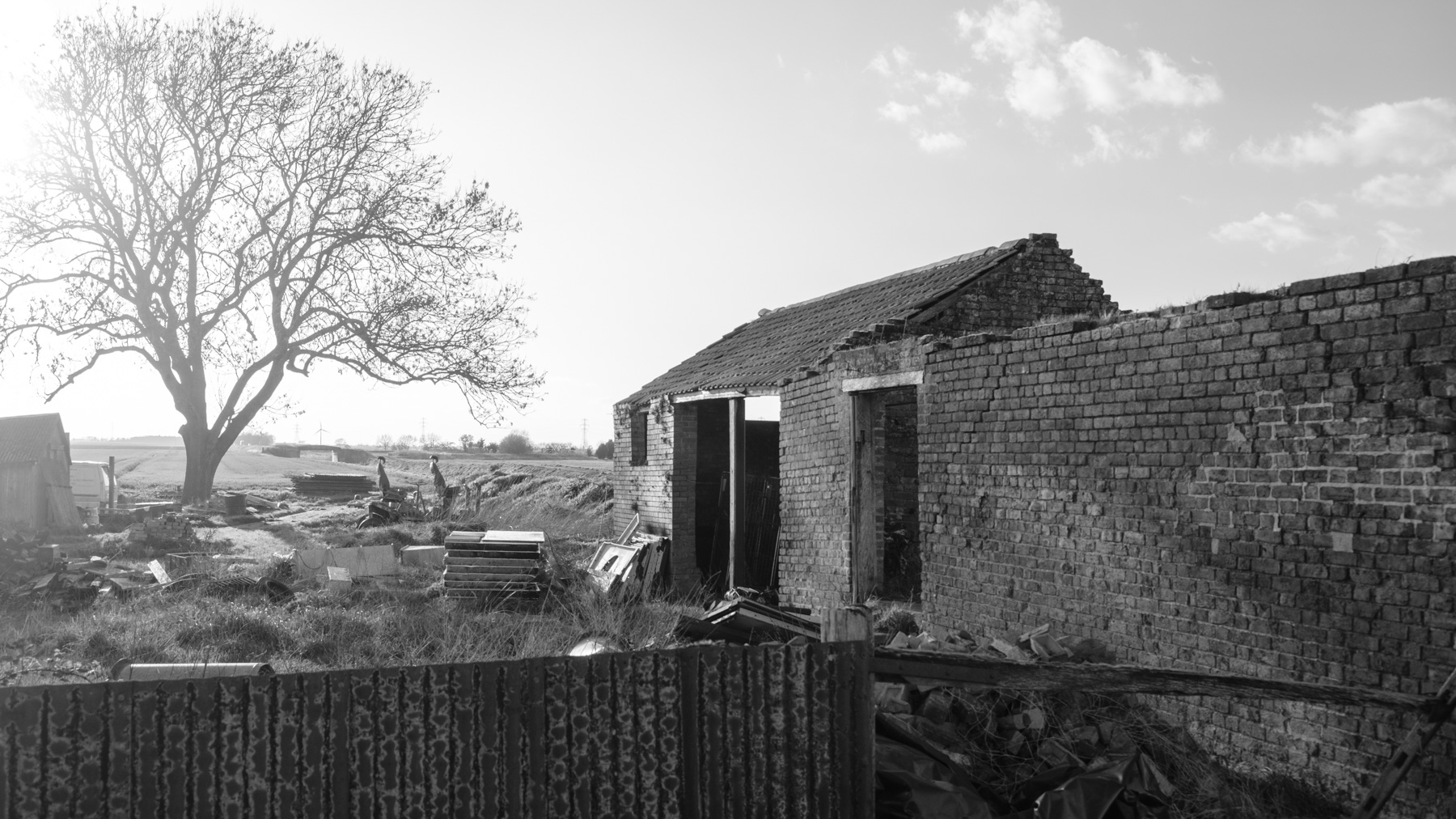
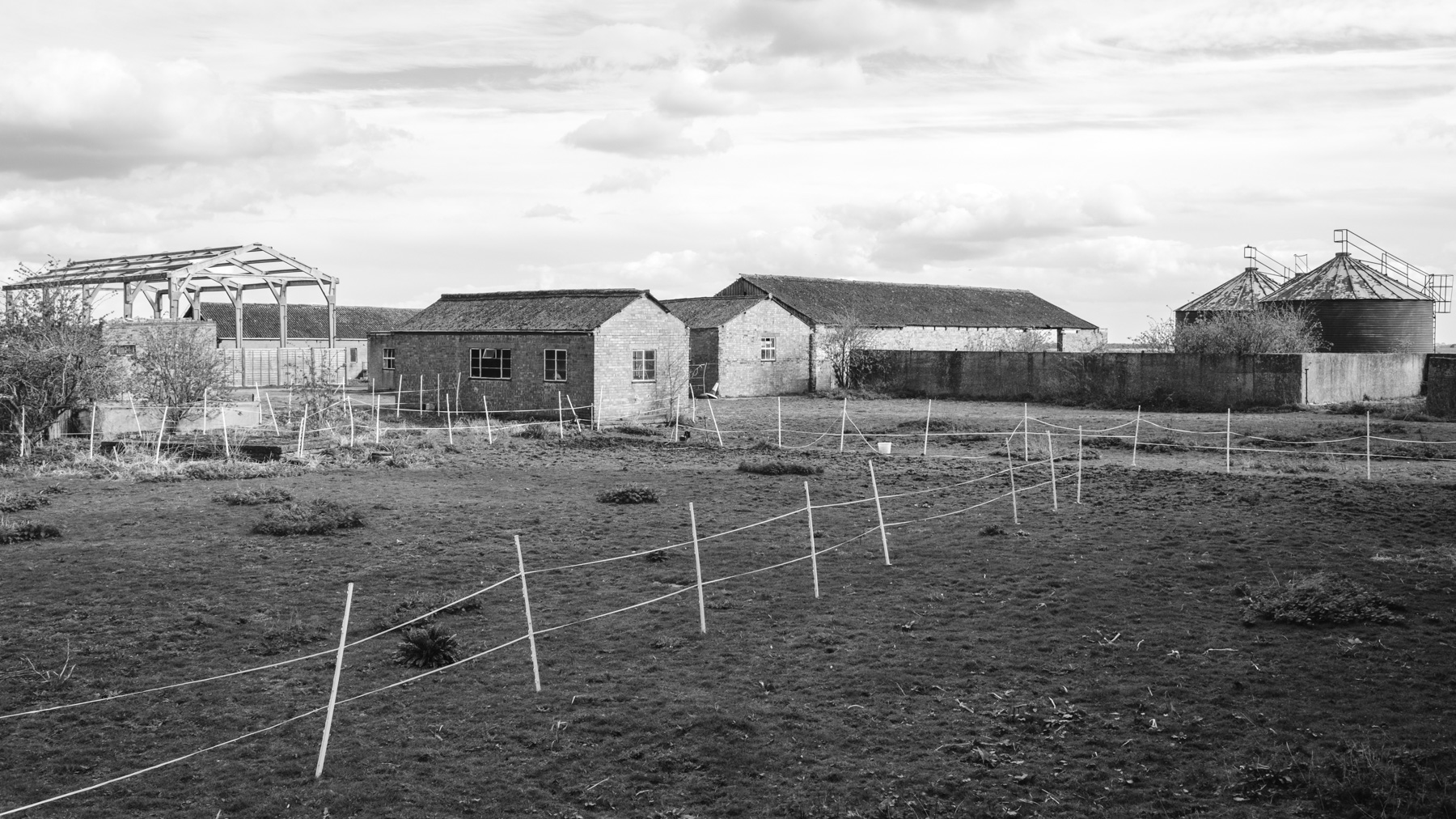
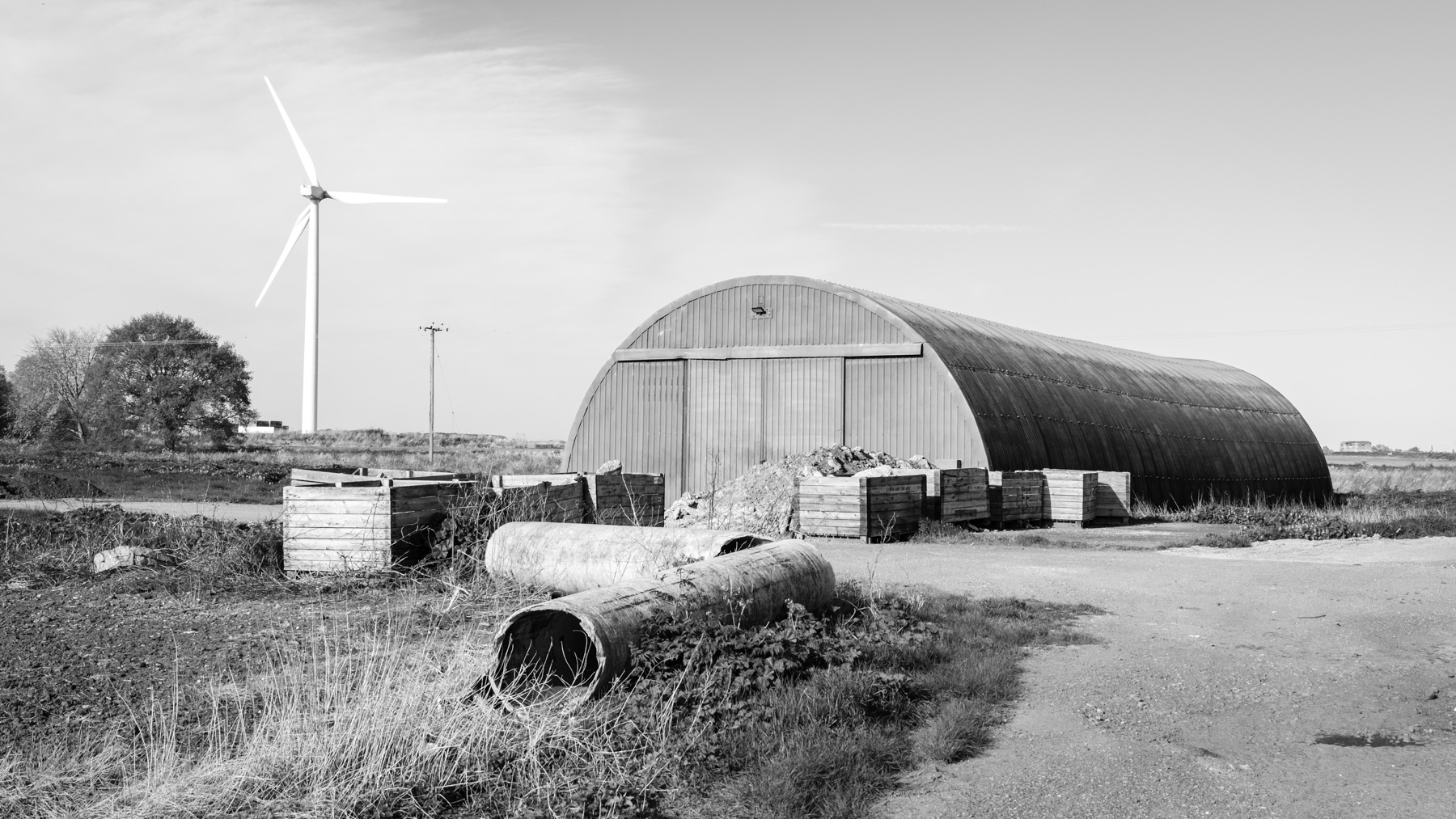
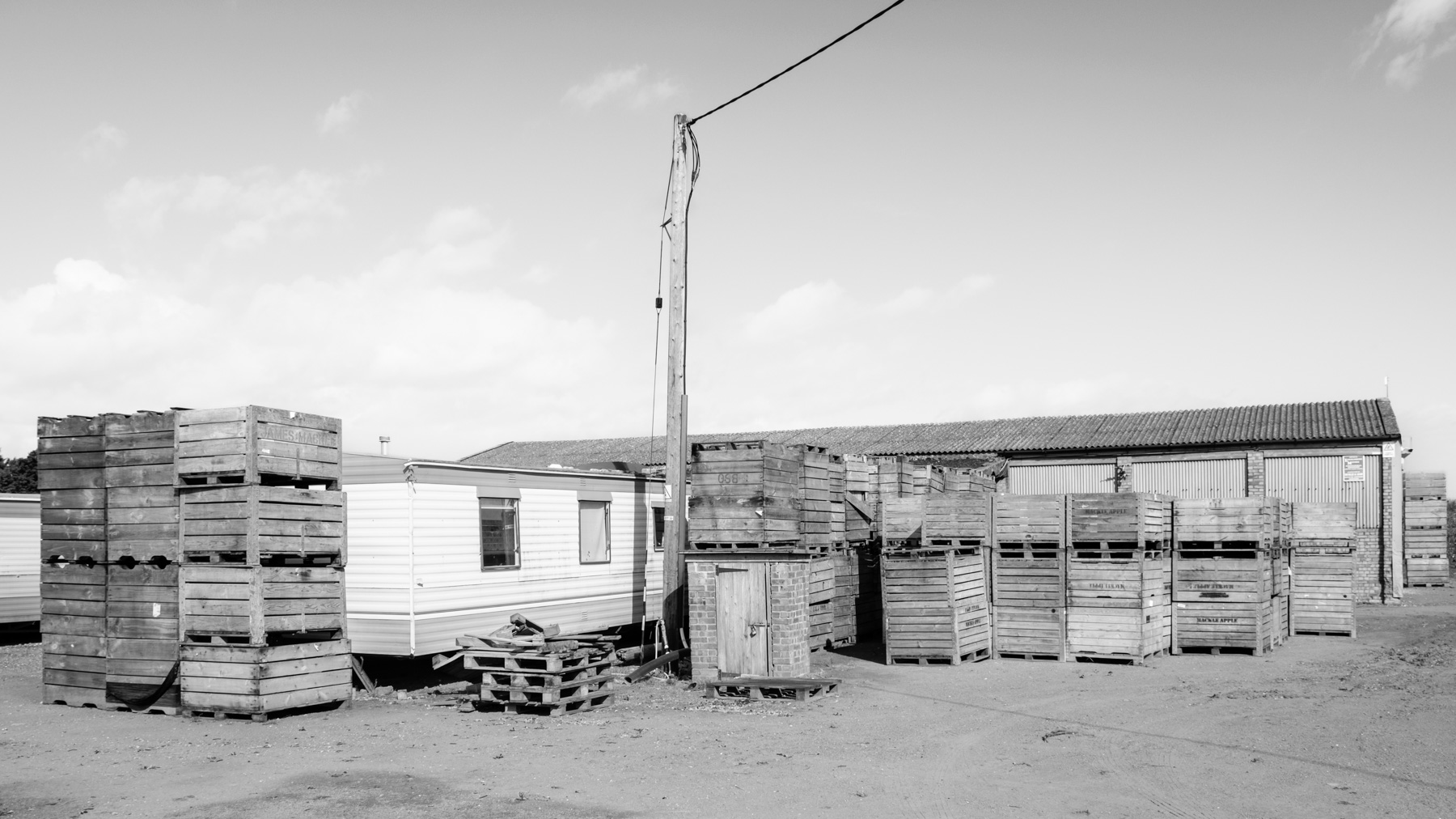
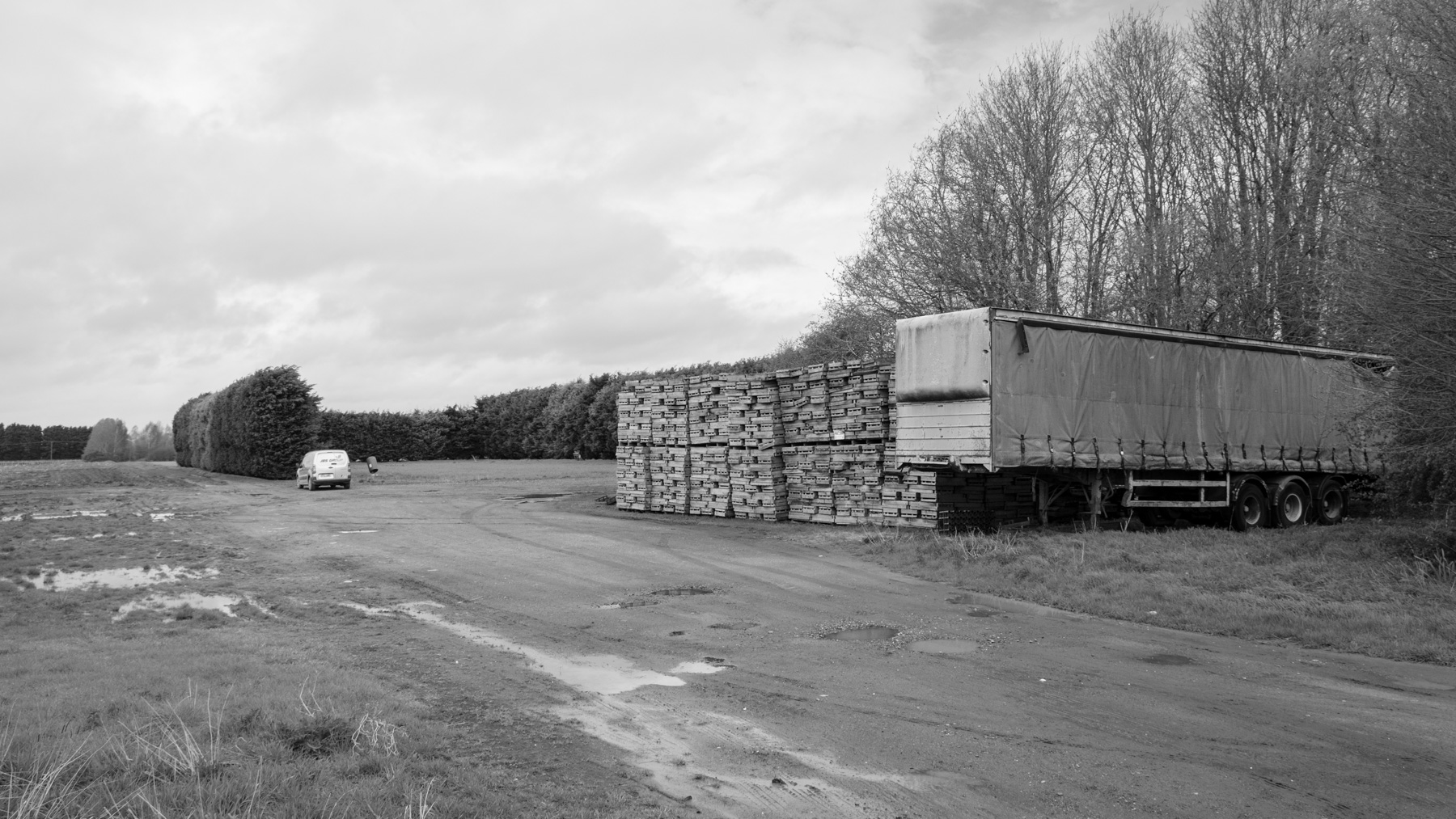
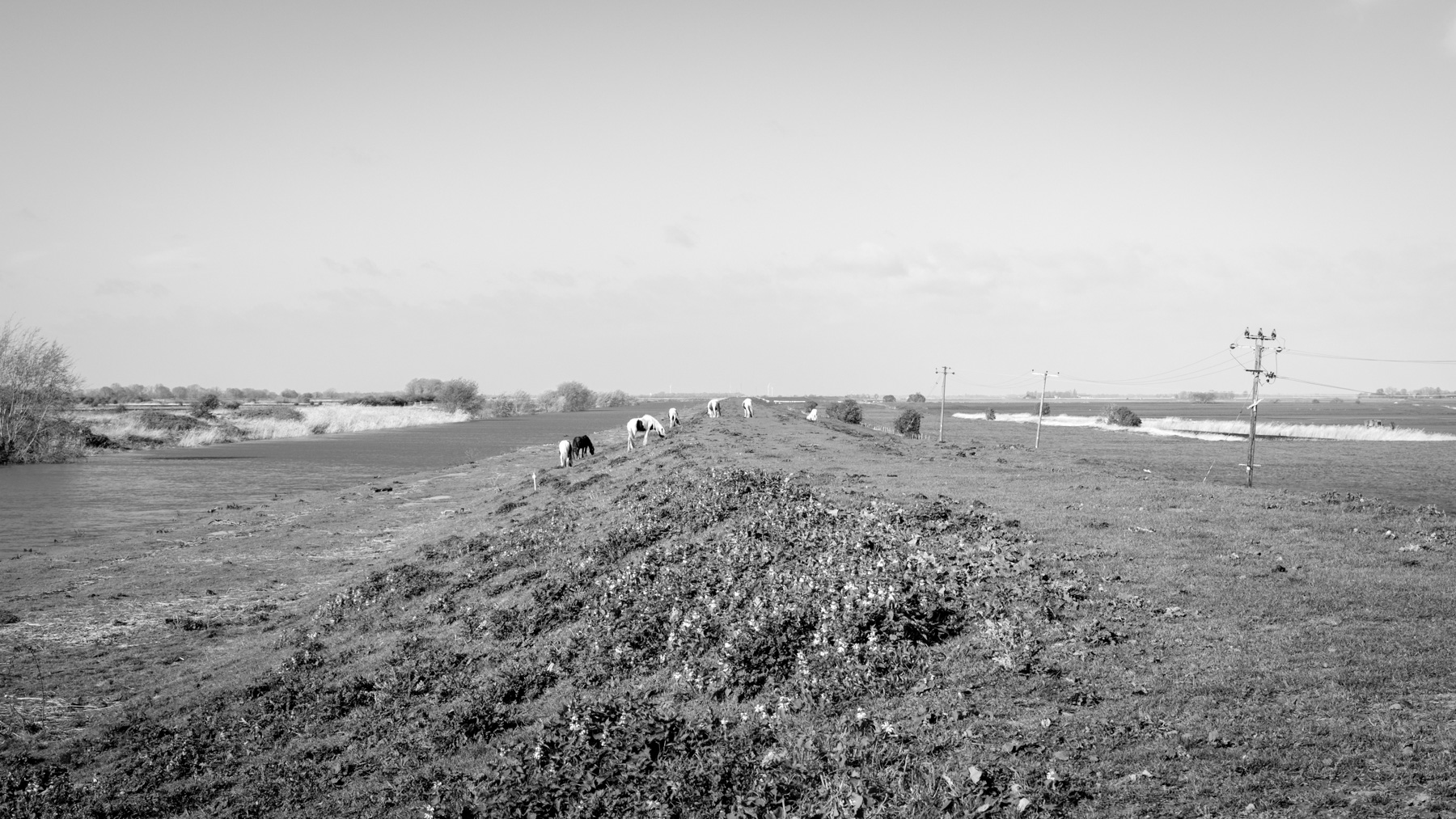
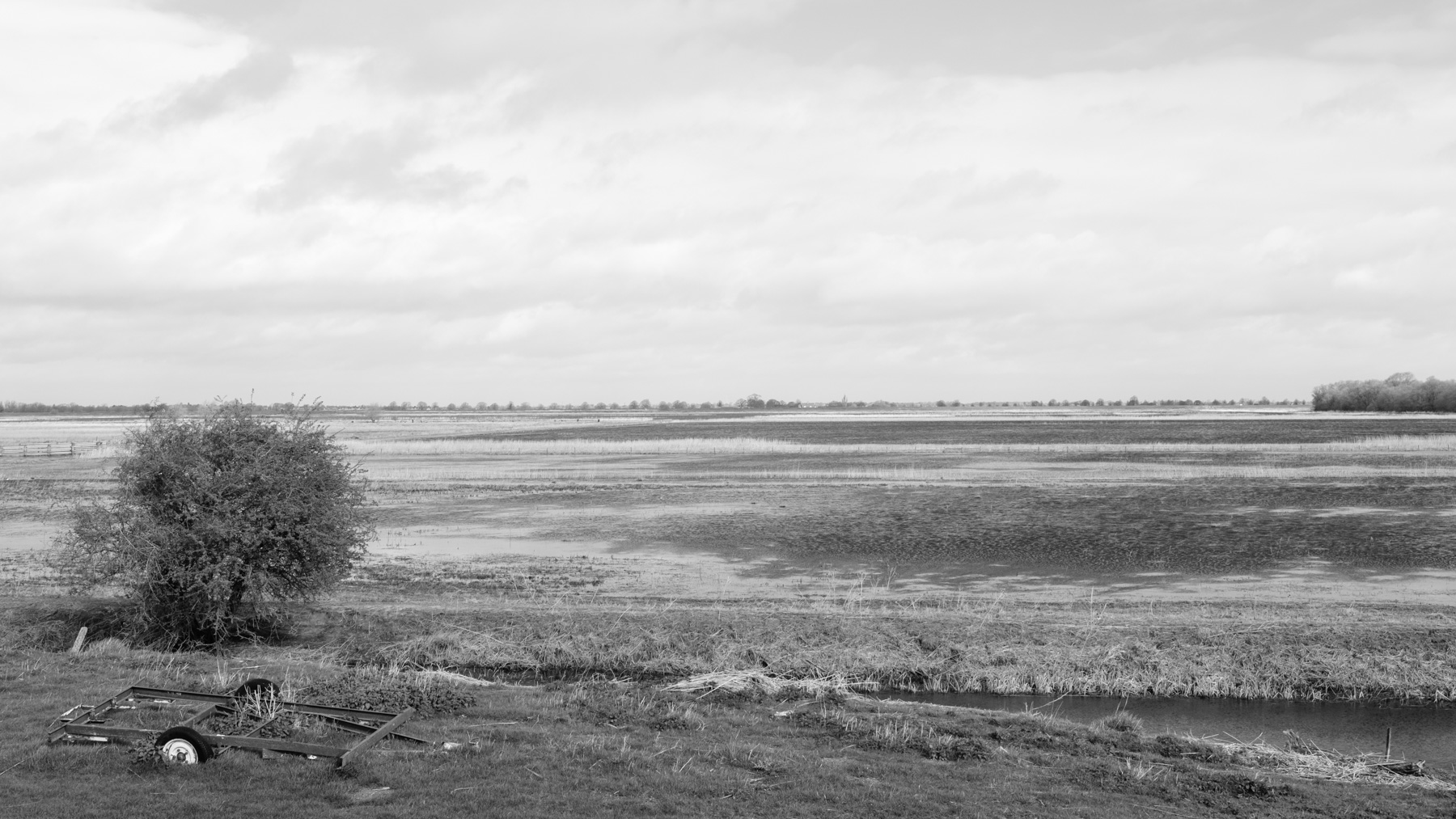
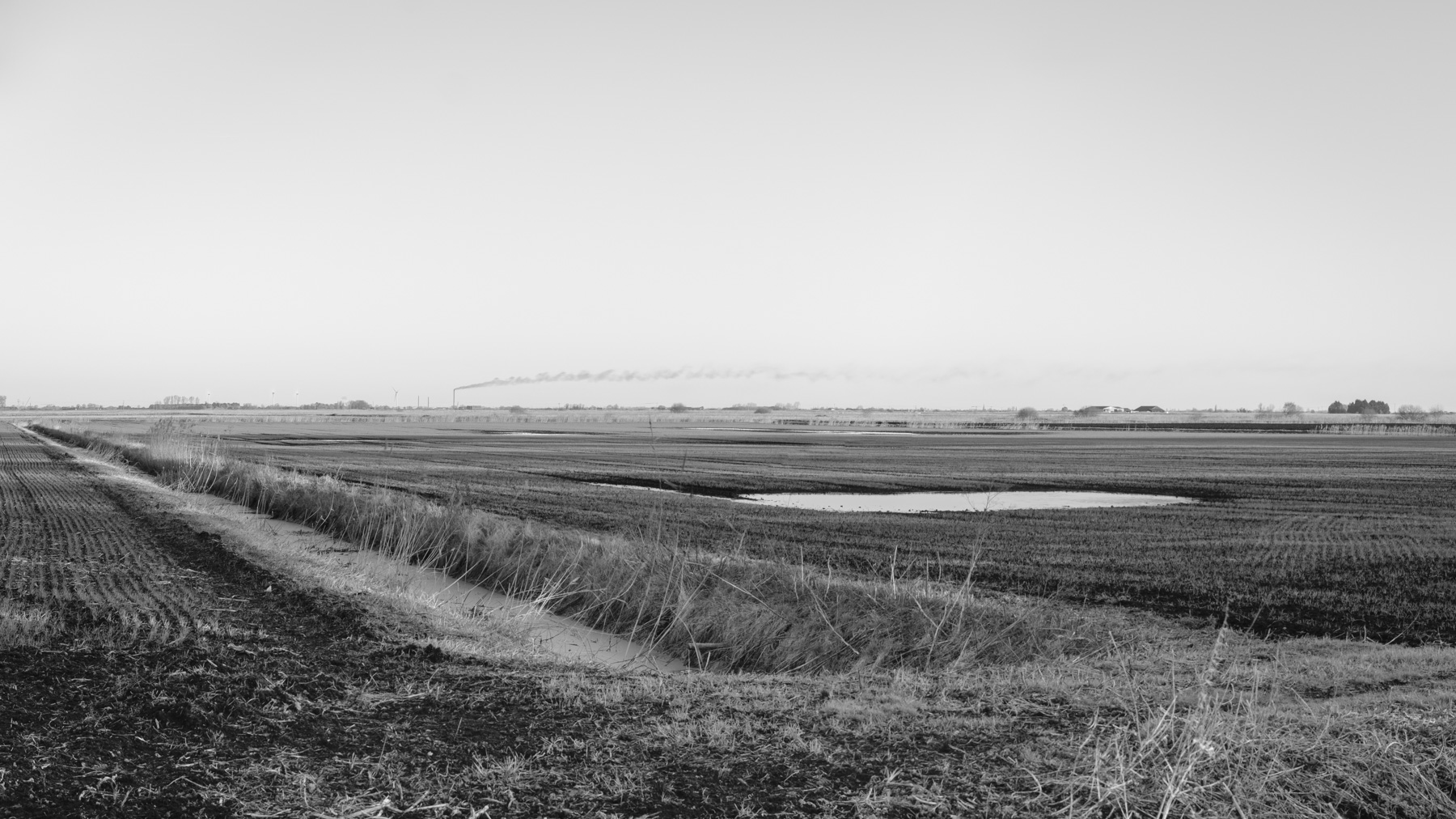
The Fens are a man-made and highly functional swathe of the country which goes unmentioned and uncelebrated. A drained swamp that equals about 1,500 square miles, its primary feature is its only feature – it’s flat. This, and the peaty soil, makes it ideal for farming. Land is cheap, so buildings spread out rather than up, and are popular with haulage firms and factories.
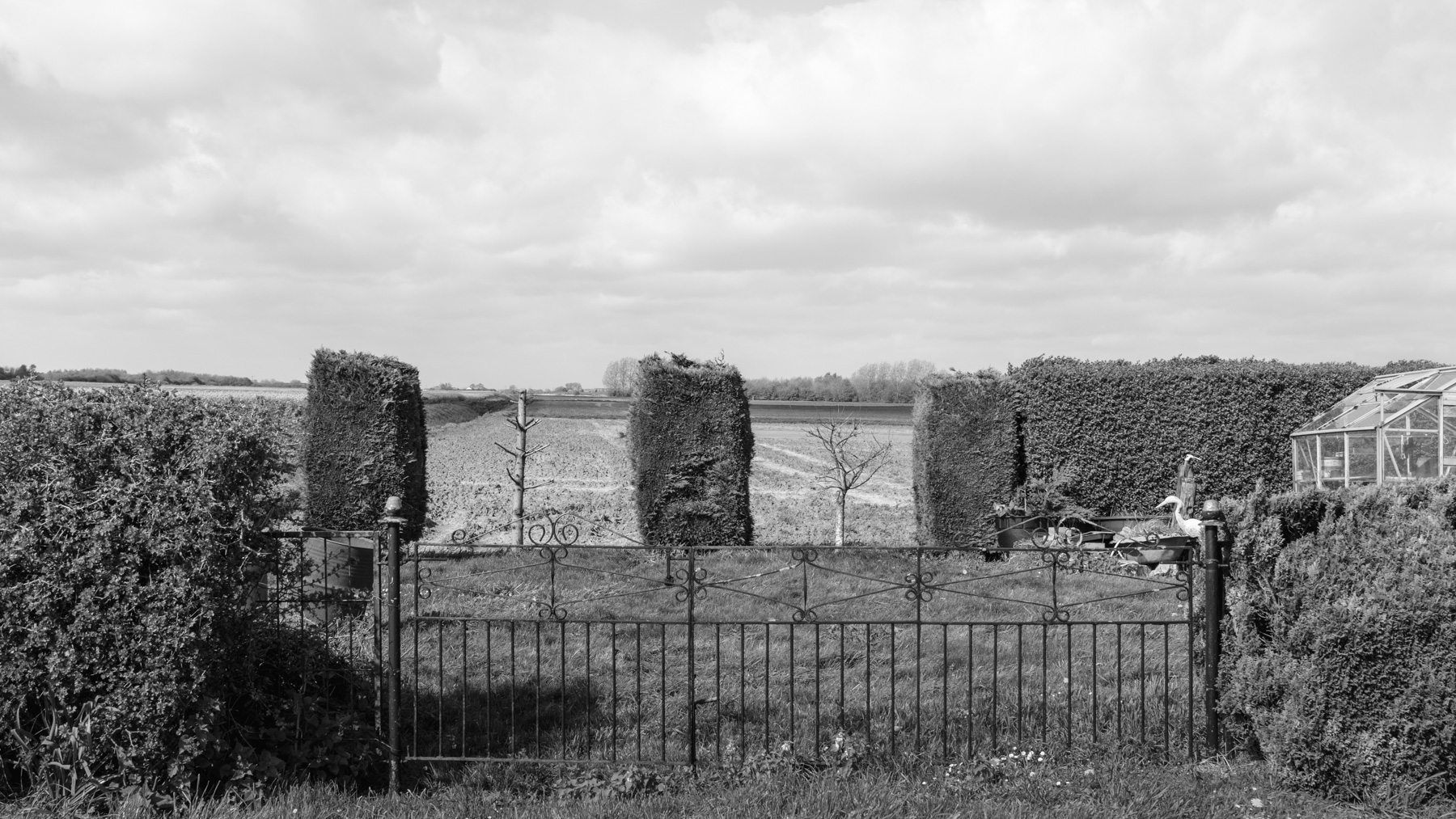
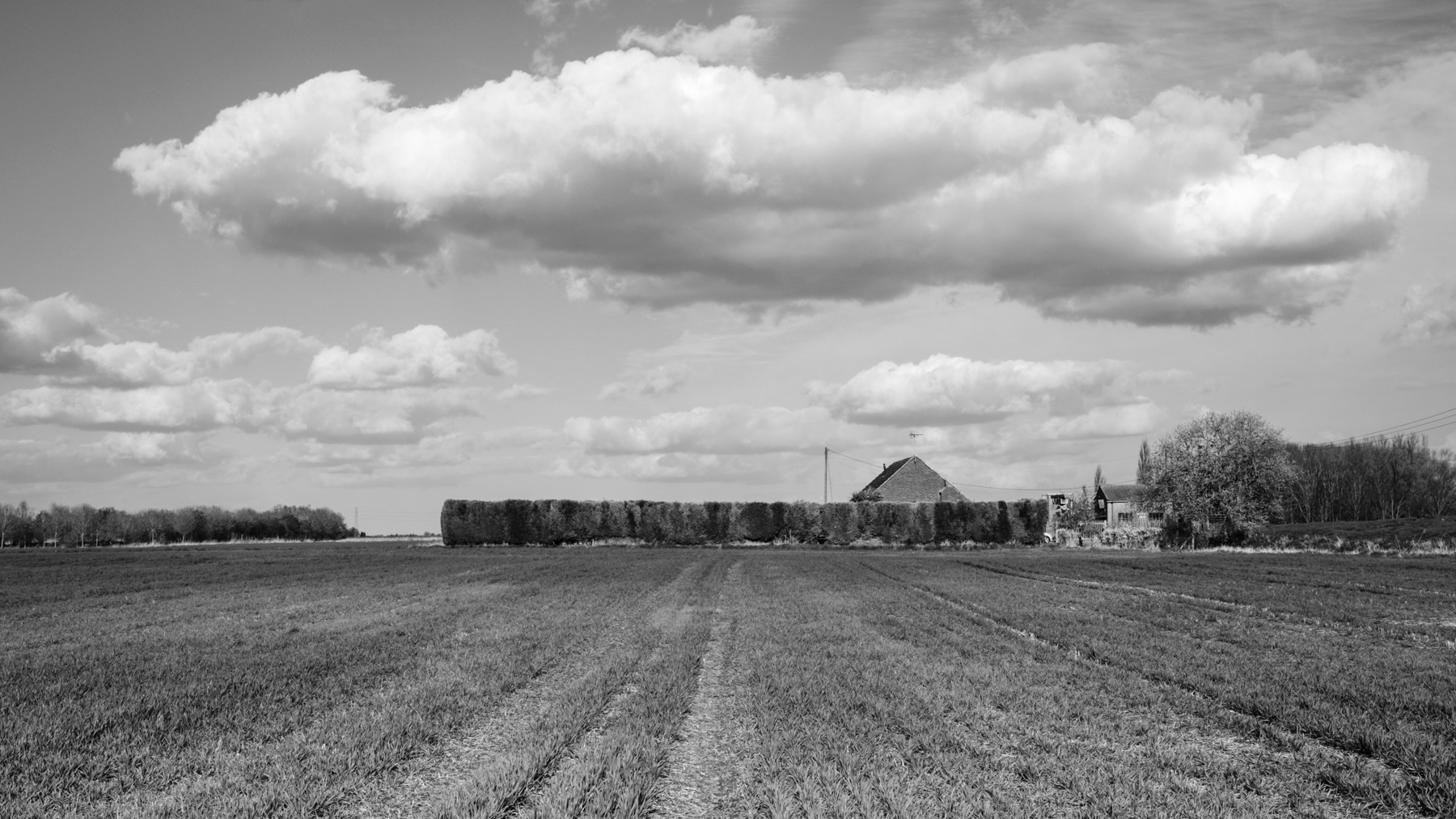
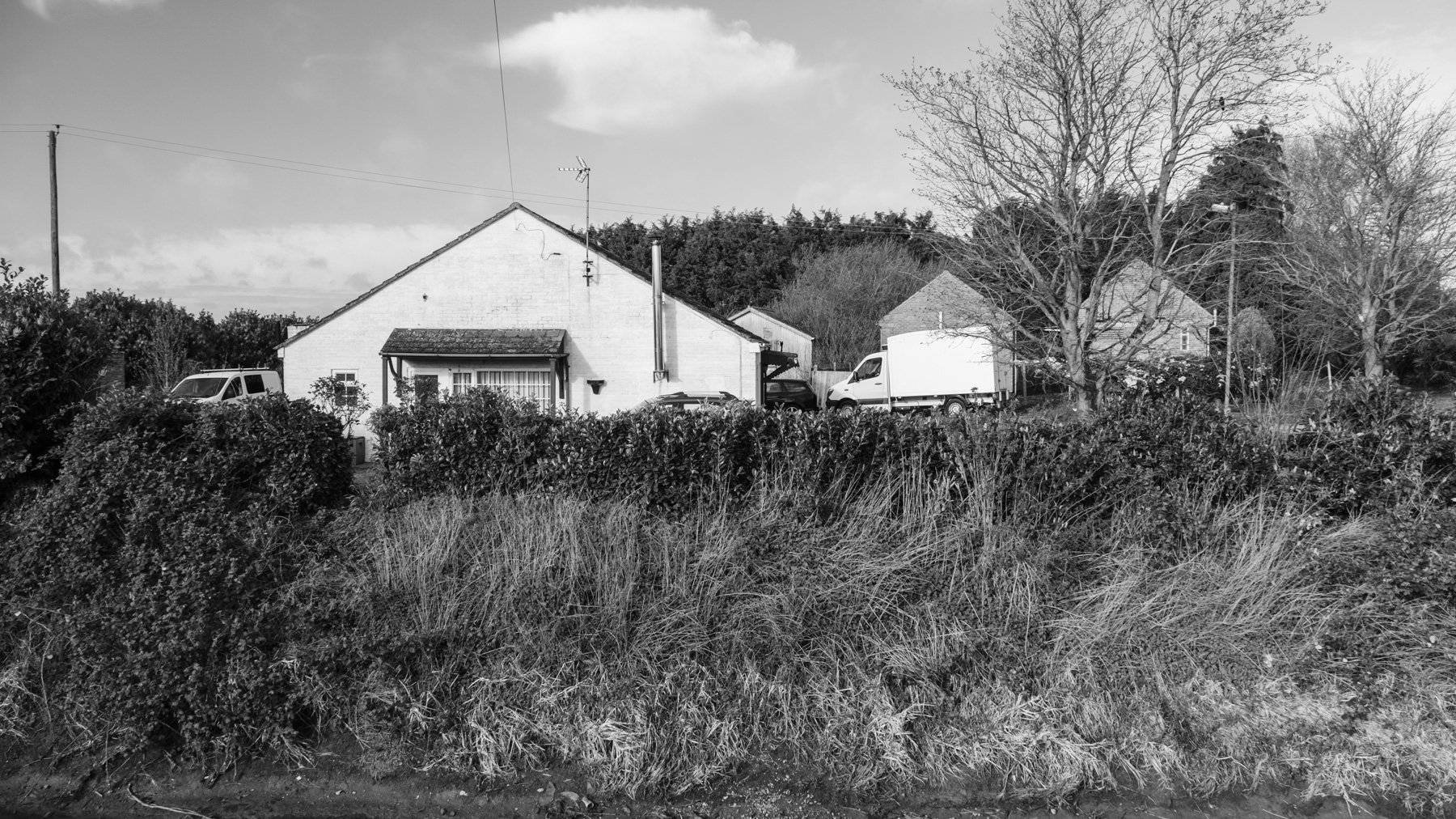
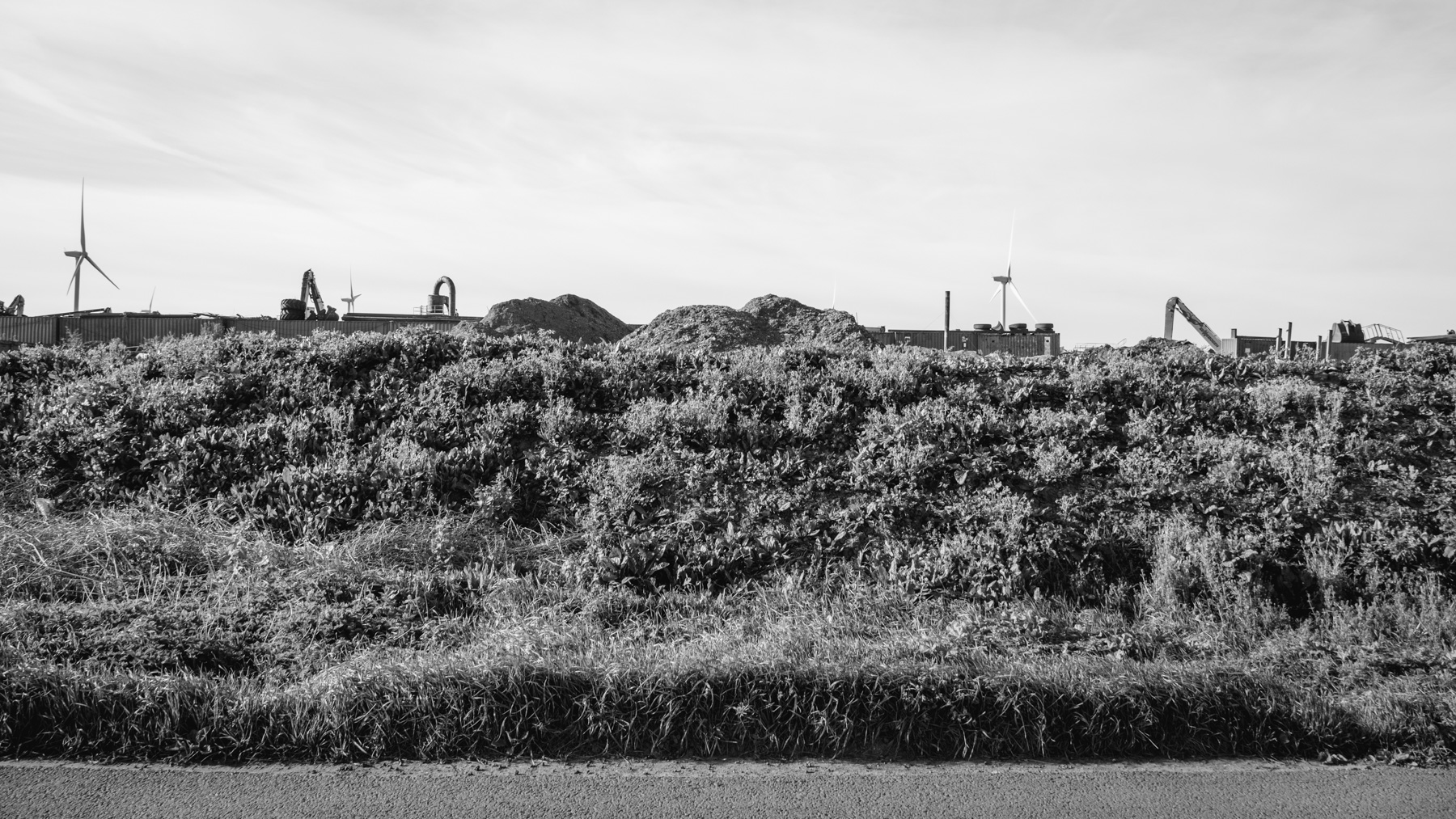
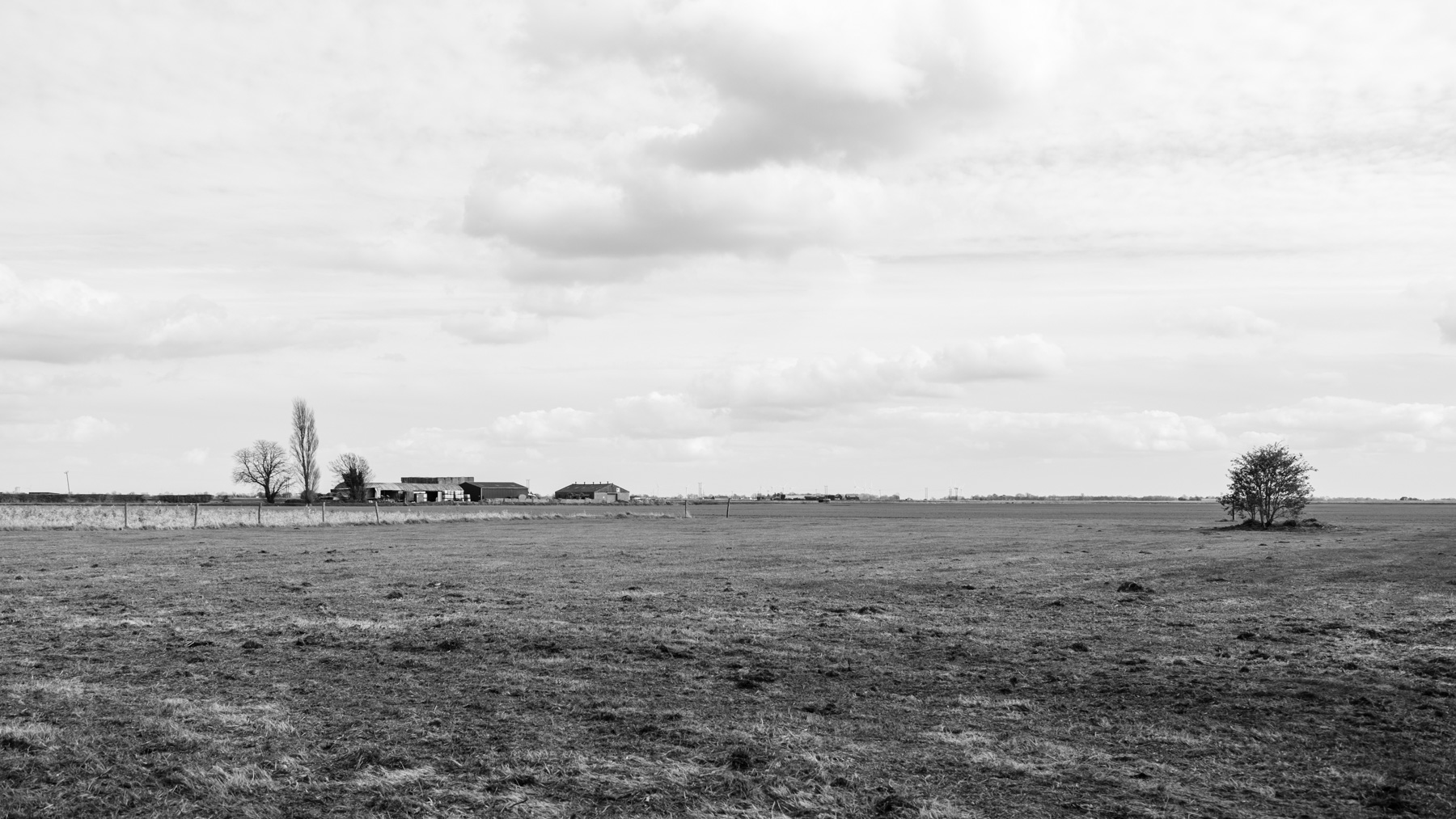
With no real changes to elevation, you can either see to the horizon or, if you’re near a hedge, building or other such similar objects, you can’t see much further than six feet in front of you, only able to peek and guess at what lies on the other side. Other than a few islands of civilization, there’s not much else out there. For these reasons, many discount it – myself included.
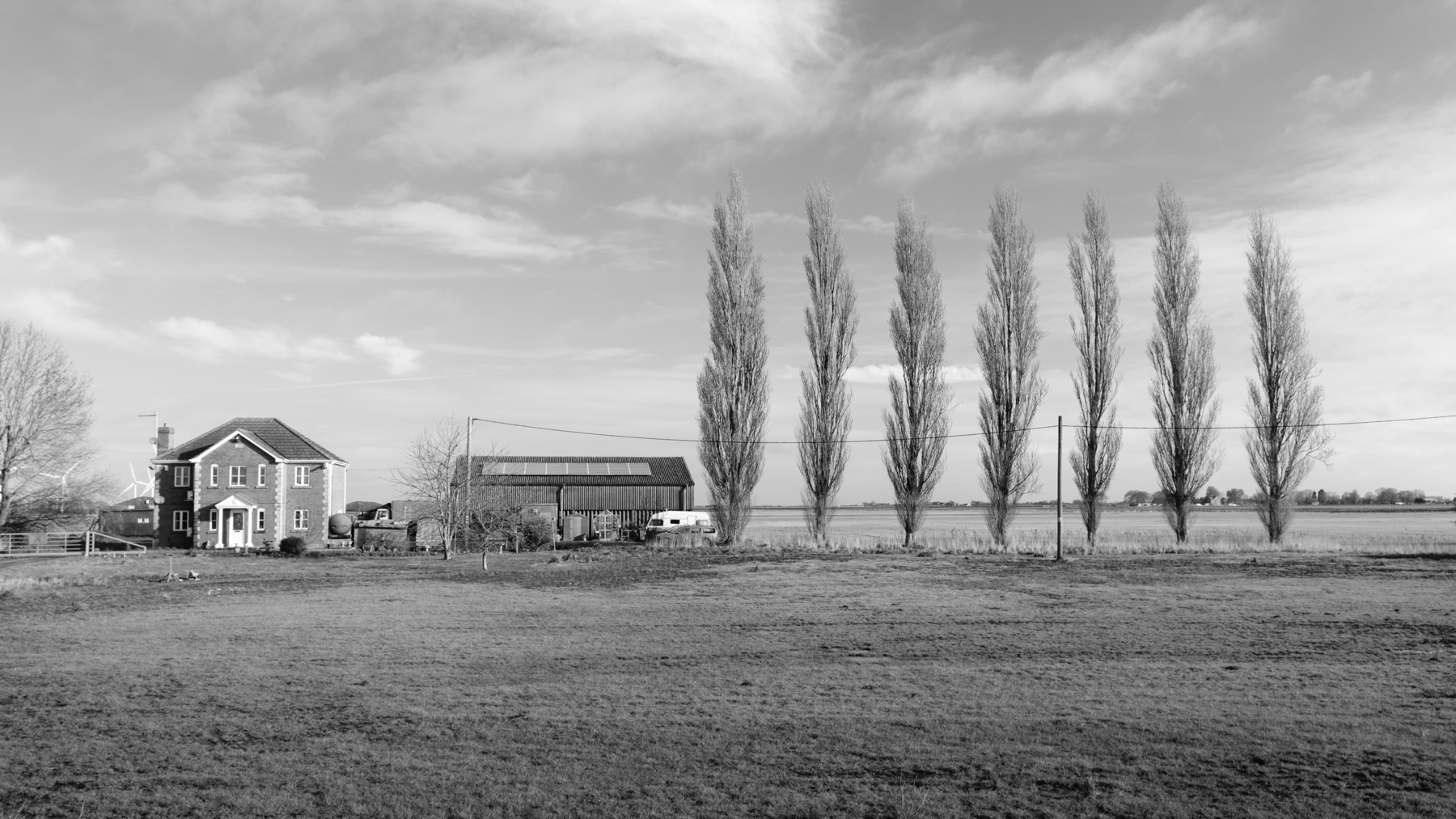
Of course, some love it. Despite being a hugely open space, those who make it their home tend within its expansiveness presumably being a reason to settle there, most surround their land with high hedges, giving the impression of intense secrecy. It feels like a place people come to escape from, well, just about everything.
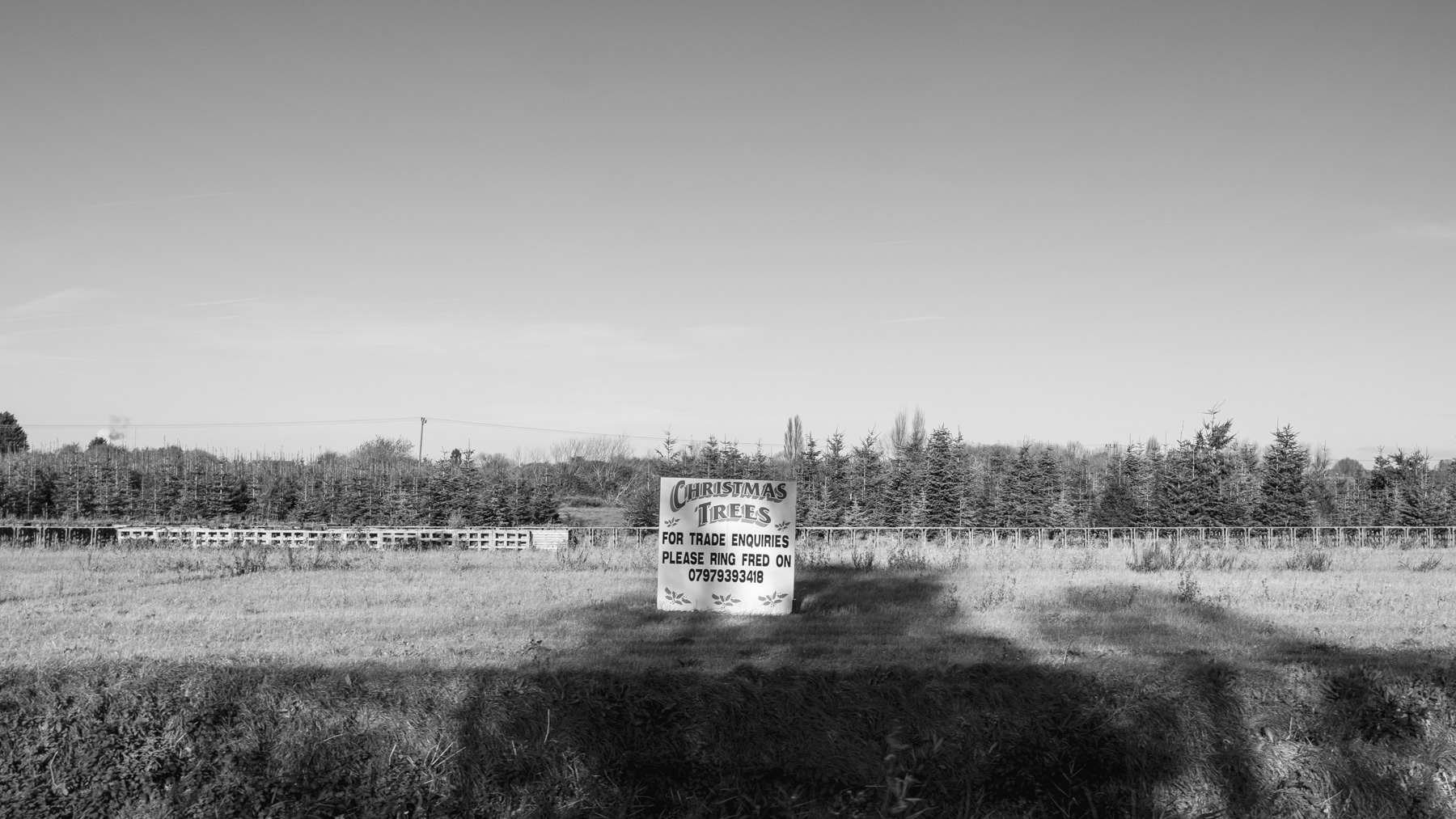
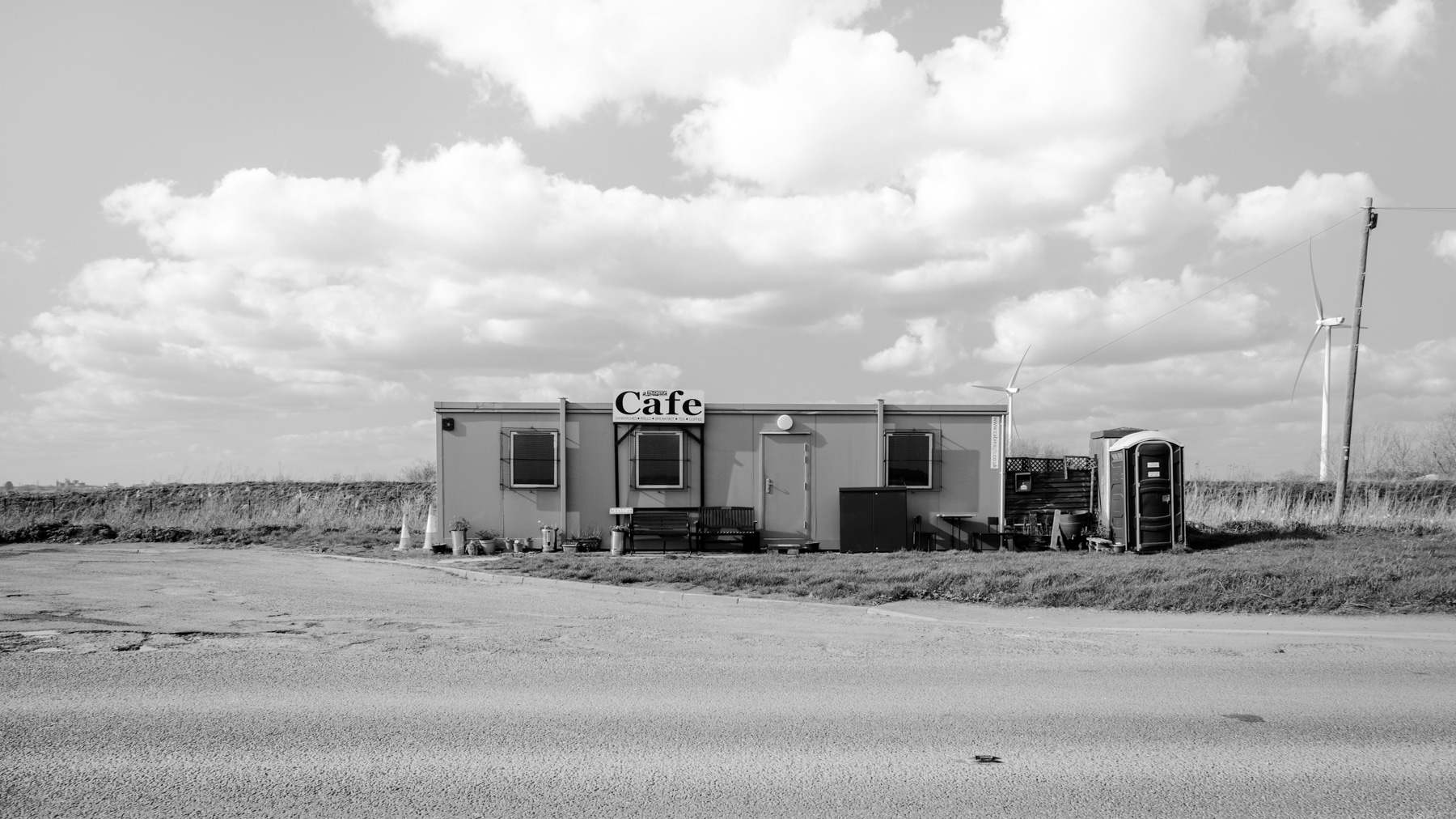
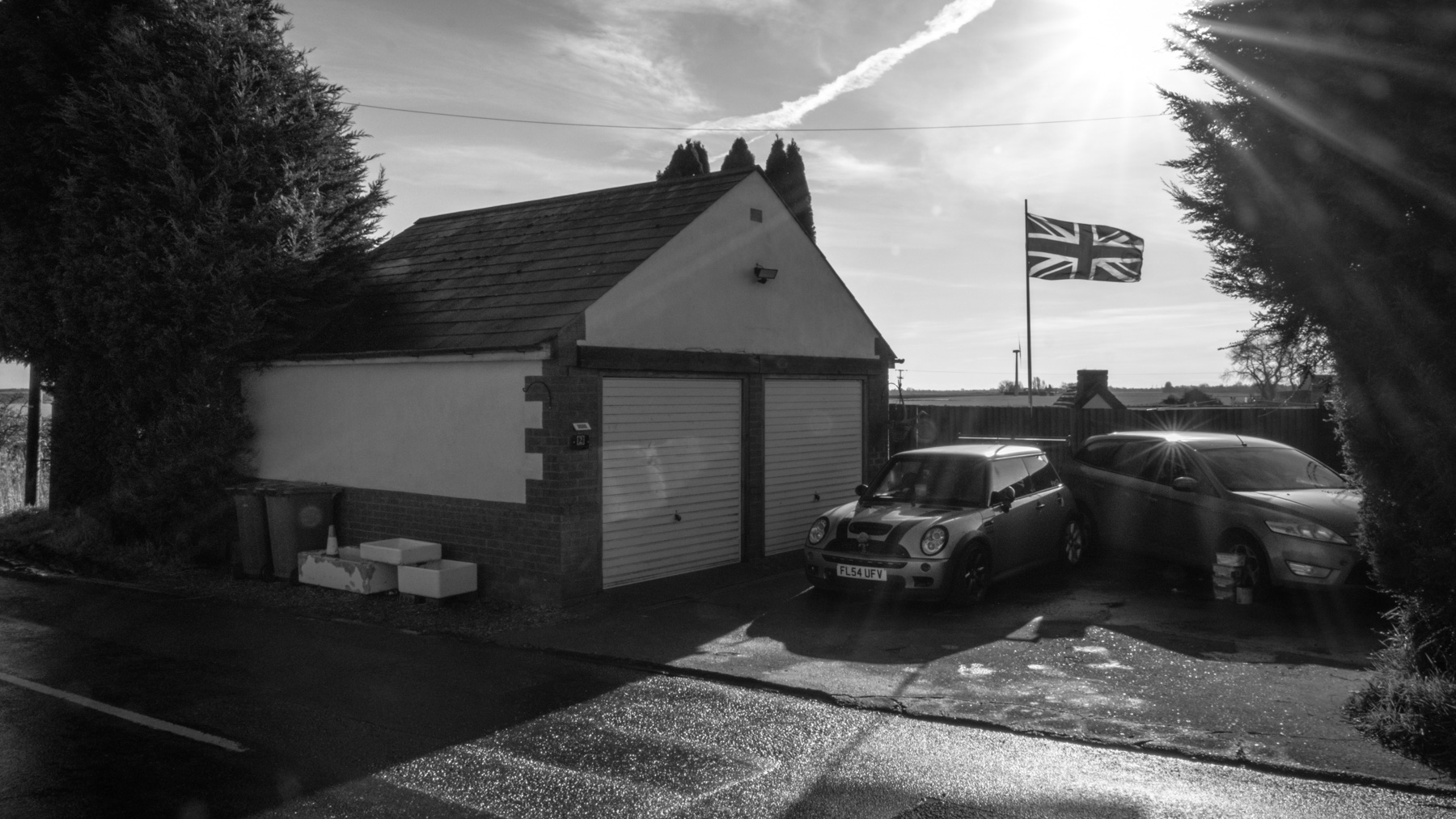
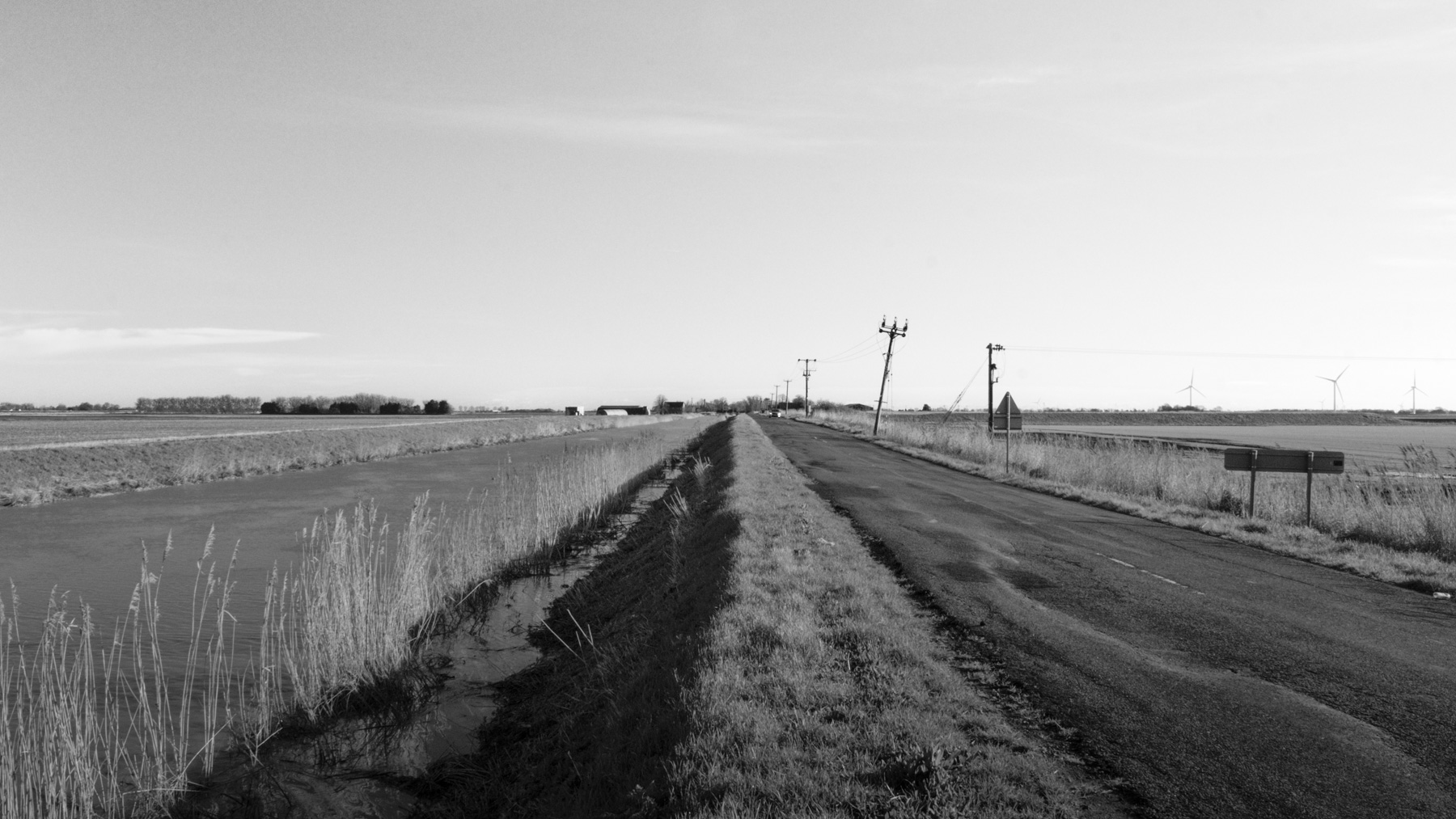
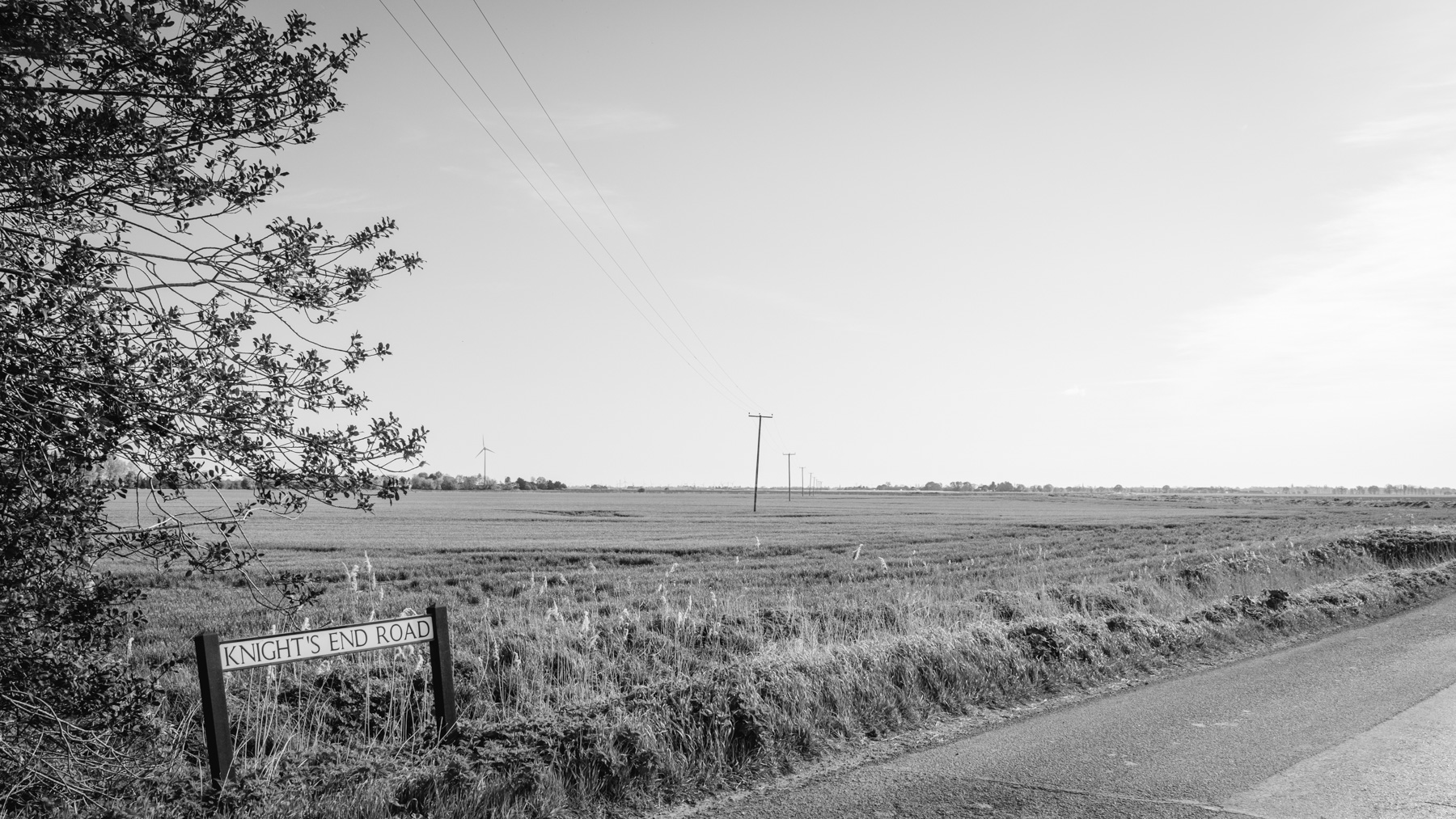
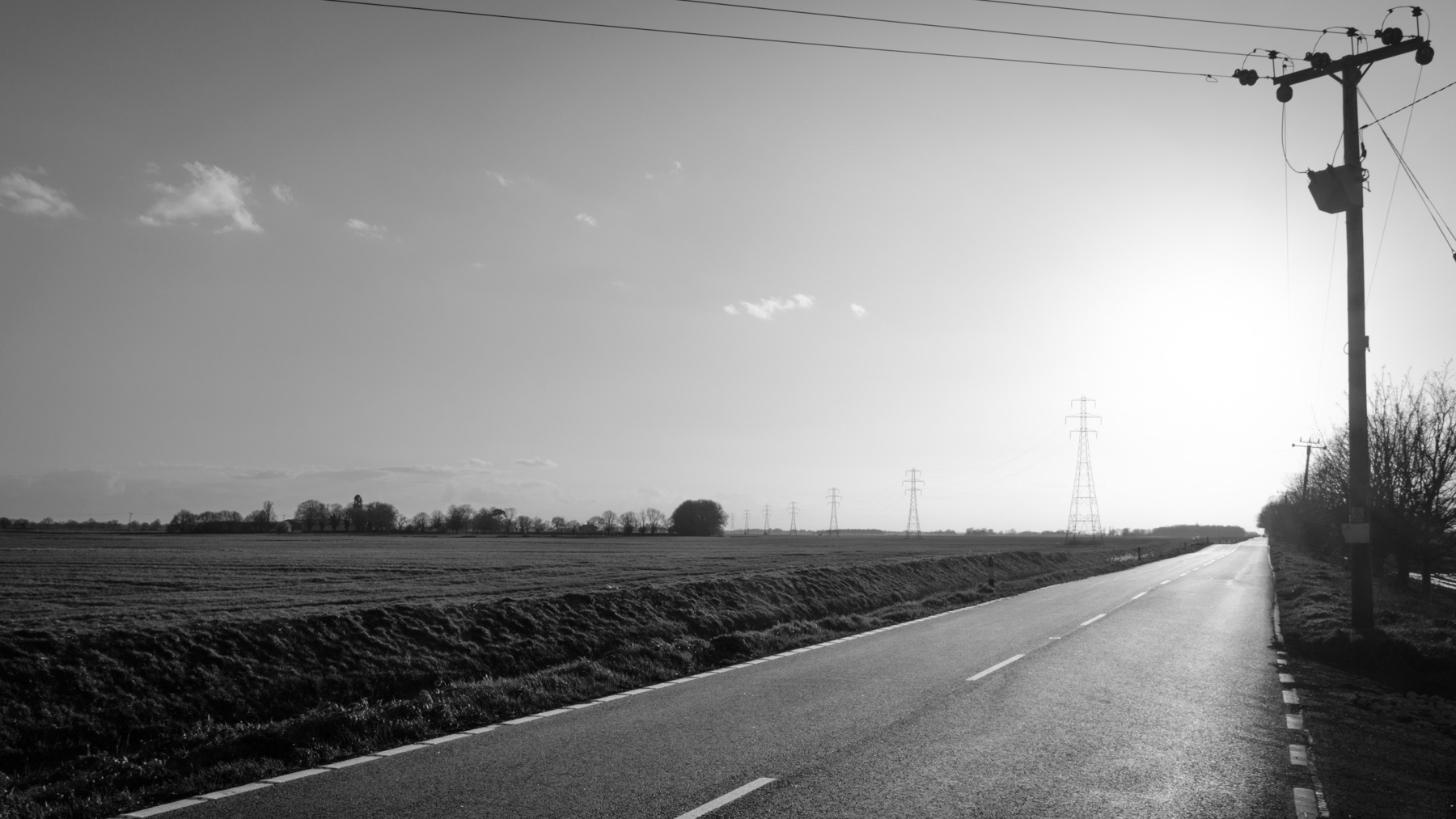
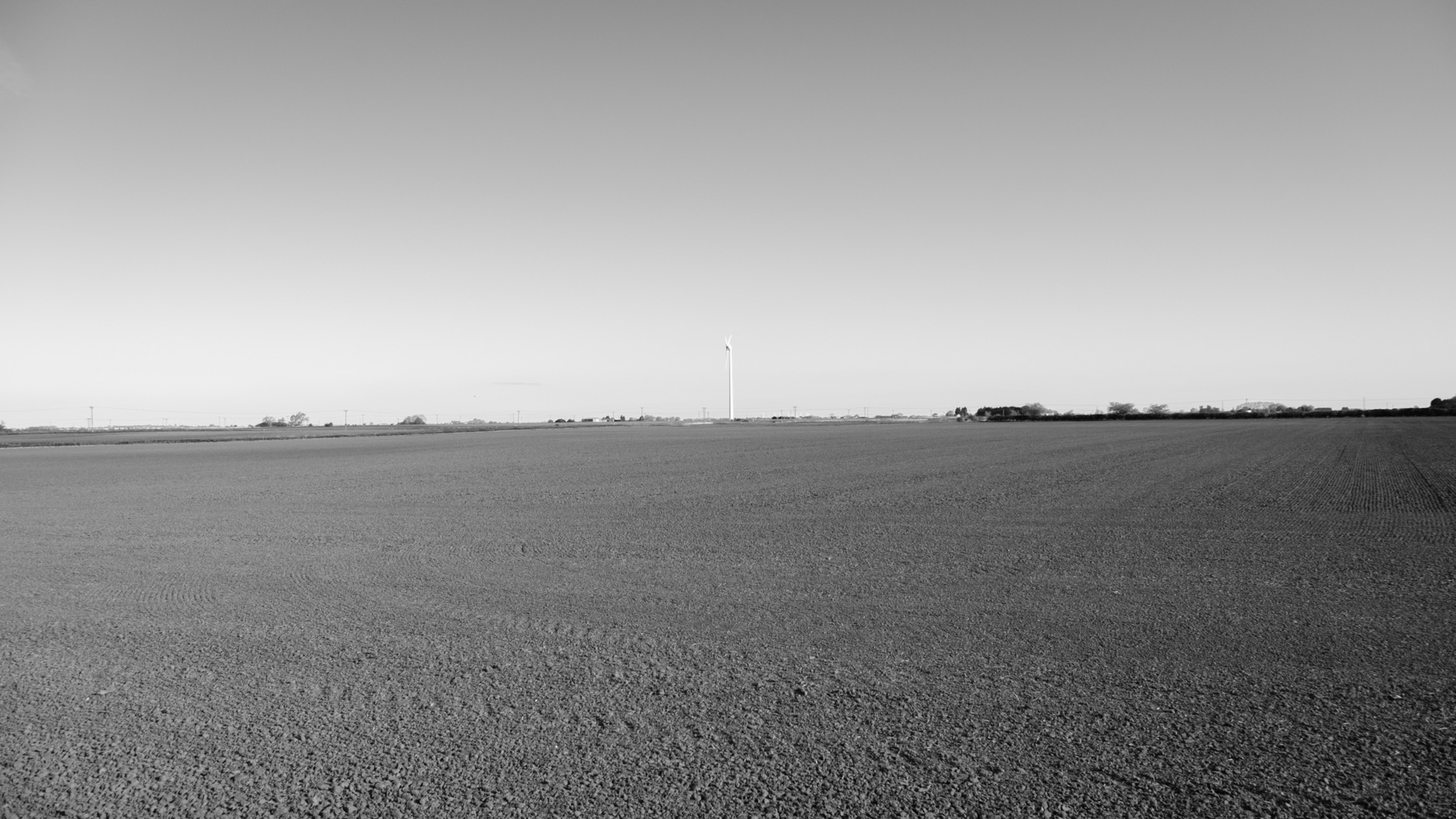
As a landscape, it can have a profound impact. Its nothingness is startling, with long, arrow-straight roads and drainage ditches casting off as far as the eye can see; nothing but distance and the occasional wind turbine. Passing through, the mind flits on the border of trance and boredom. It is a place that can feel more sky than land; the winds can be ferocious, with nothing to slow their rush across hectares of emptiness, and the sun is powerful, blinding and scoring as it pushes unabated down into shadeless once-marsh.
To me, The Fens is nothingness and brightness, horizon lines and blocked views, ceaseless travel and frozen time. This is The Fens that I sought to capture.
I started the project in February 2024. While I write this one year later, I am in the process of moving to Scotland. As I pull my photographs together and reflect on a year of shooting, I am proud of what I have accomplished. While I hesitate to call my work a celebration, I would like to think that I have documented its spirit and the experience of standing in The Fens’ empty enormity.
The Fens are not epic in any traditional sense, the more time I spent in them, studying them, the closer they drew me. It is a land of character, and you will never find bigger skies. I am not sure that I will miss them, but I am sure I will think of them often.
Thank you for taking the time to look.
William Austin-Lobley








 William Austin-Lobley Photography